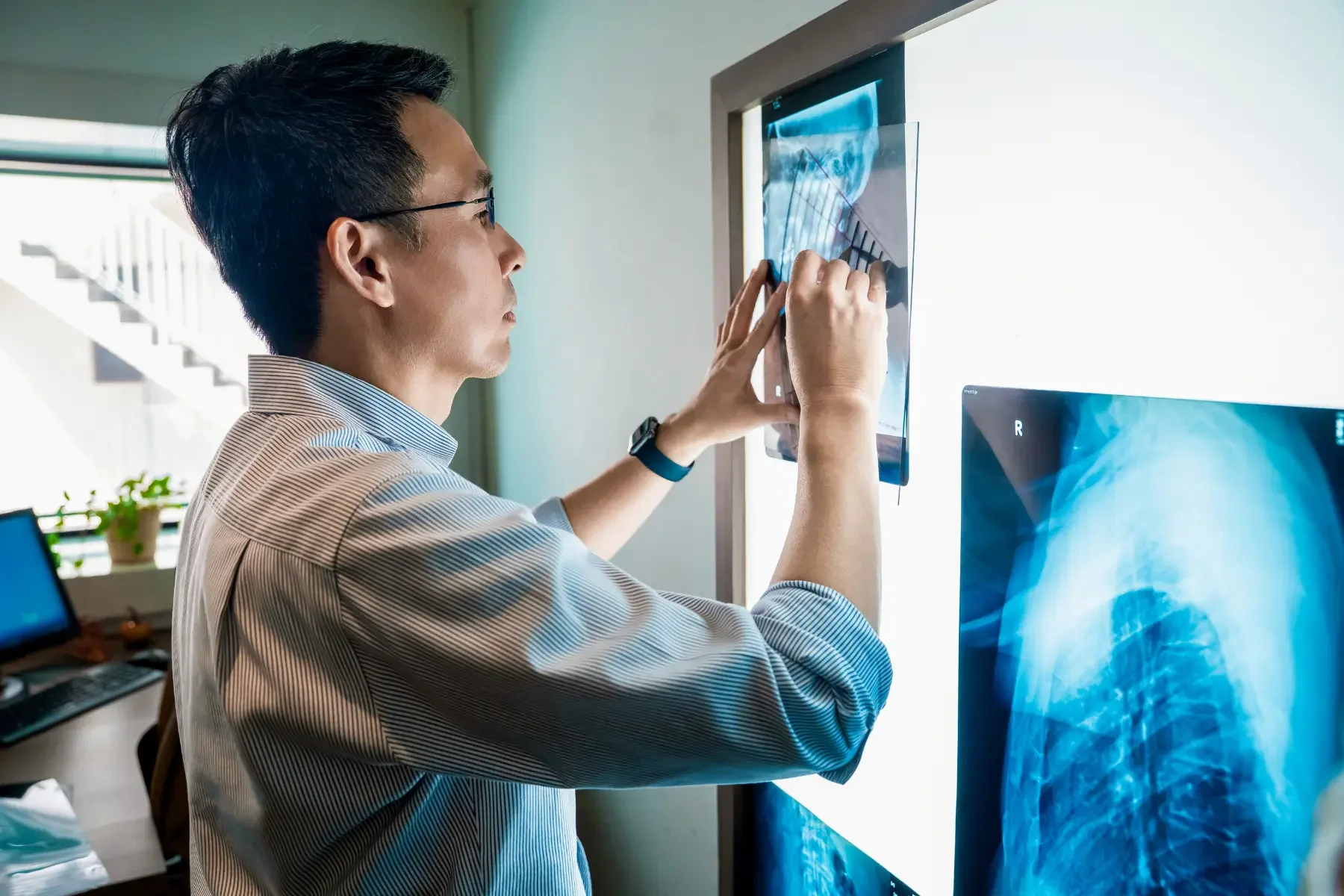
A Thoughtful, Structured Approach to Care
We begin with careful assessment and integrate chiropractic techniques with physiotherapy-based rehabilitation strategies to ensure care is appropriate and personalised.
Our Approach
At The Chiropractic Way, care begins with understanding — not assumptions.
Pain, stiffness, or dizziness can have many possible causes. That’s why our approach focuses on identifying what’s really contributing to your symptoms before deciding how to treat them.
This ensures care is safe, appropriate, and tailored to your individual needs.


Assessment Comes First
1
Your first visit is not about routine treatment.
We take time to:
understand your medical and health history
assess how your symptoms affect movement and function
identify whether chiropractic or rehabilitation care is suitable
If we don’t believe we can help — or if another form of care is more appropriate — we’ll tell you honestly and guide you accordingly.
Evidence-based Decision Making
2
We follow an evidence-based approach to care.
This means:
X-rays and MRI scans are not required before your visit
imaging is only recommended when clinically indicated
treatment decisions are guided by assessment findings
Our goal is to provide the right level of care, not more than necessary.
Integrated Chiropractic & Rehabilitation Care
3
Dr Chang’s training in both chiropractic and physiotherapy allows for a structured, integrated approach to care — combining spinal and joint techniques with physiotherapy-based rehabilitation and movement strategies.
This dual background allows care to extend beyond adjustments alone, supporting both symptom management and functional recovery.
Depending on your condition, this may include:
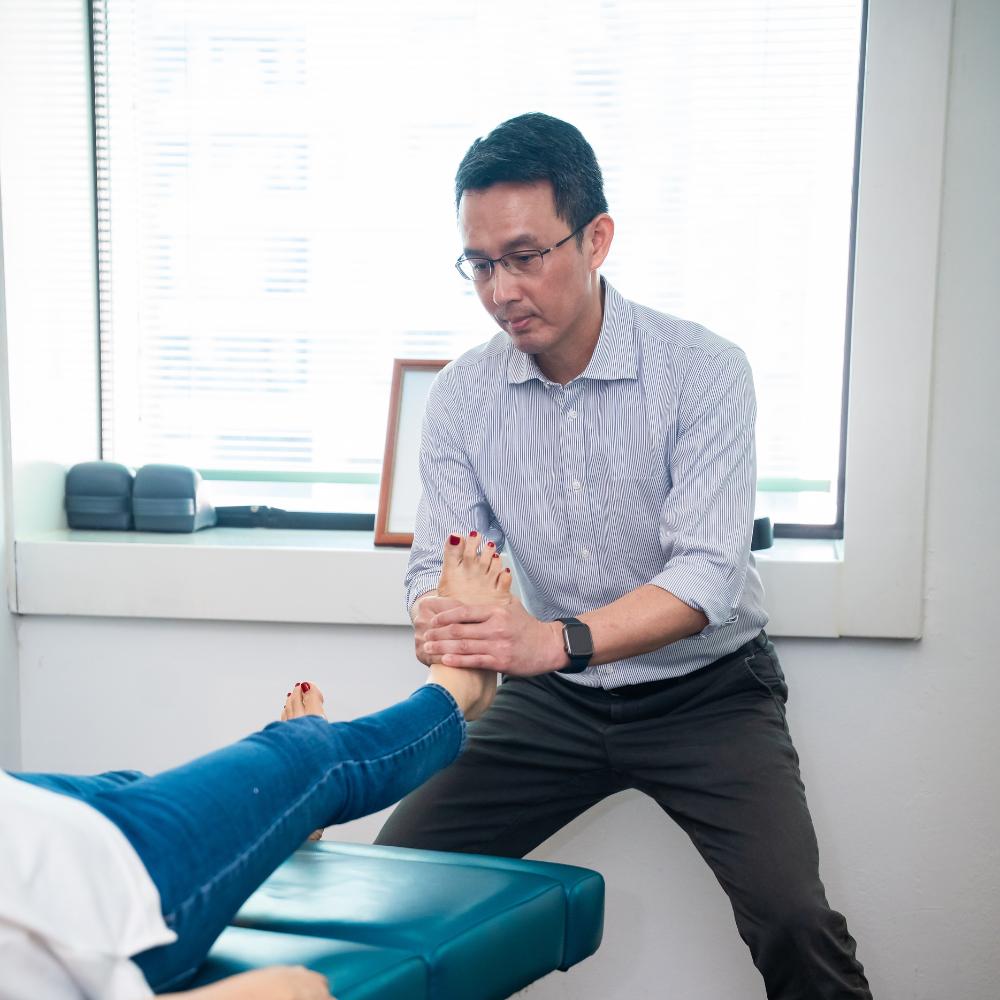
chiropractic adjustments (manual or instrument-assisted)
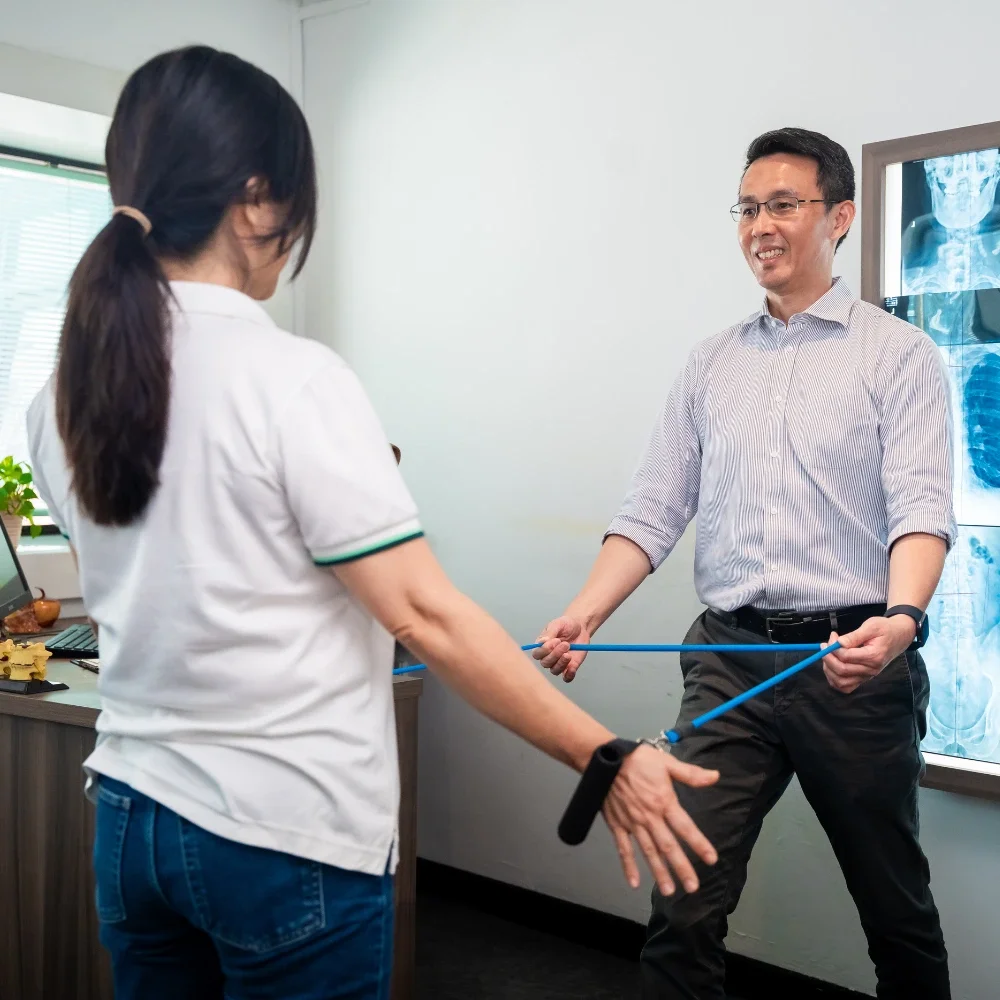
rehabilitation and corrective exercises
soft tissue and myofascial techniques
nervous system-based strategies
balance and vestibular rehabilitation
Care is adapted as your condition improves — from managing symptoms to restoring function and movement confidence.
Individualised, Not Routine-Based
4
No two patients are the same.
We do not apply fixed treatment packages or routine care plans. Instead, care is:
tailored to your condition and goals
adjusted based on response and progress
reviewed regularly to ensure it remains appropriate
This approach supports both short-term relief and long-term outcomes.
Clear Communication & Patient involvement
5
We believe patients should understand their care.
You can expect:
clear explanations in plain language
open discussion about options and expectations
transparency around what care can — and cannot — achieve
This allows you to make informed decisions about your health.